
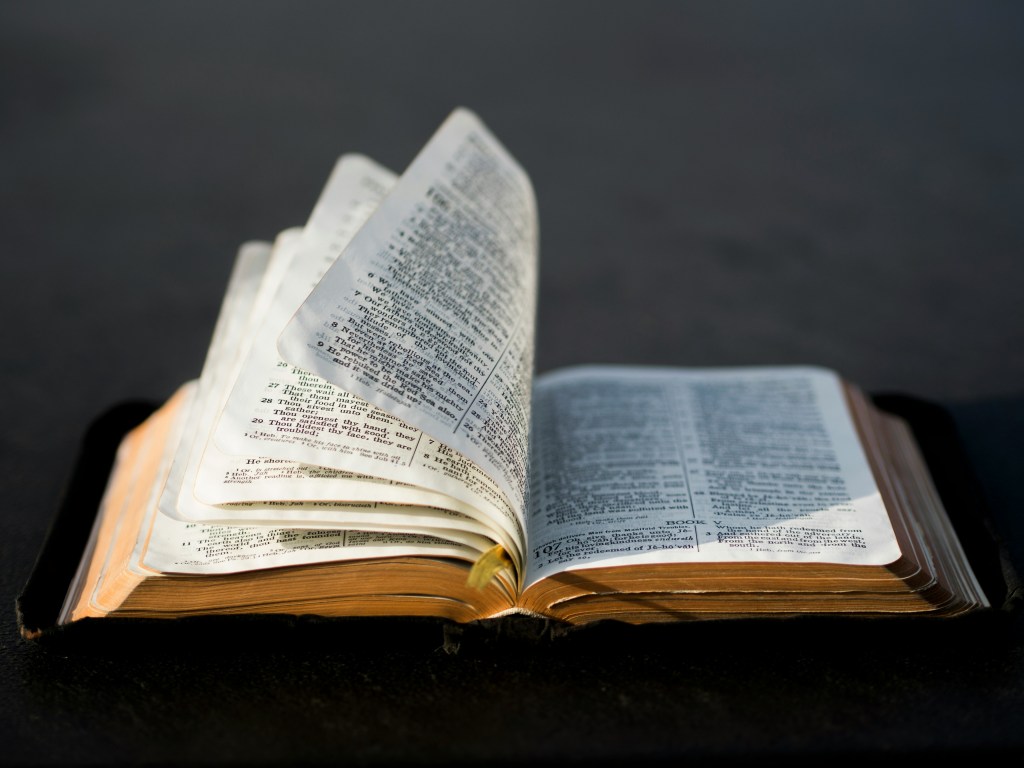
This is part one of a two-part blog series exploring Jesus’ powerful teaching in John 8:30-32. In this passage, Jesus calls His followers to go deeper than belief – to remain, stay, and dwell in His Word.
In Part 1, we’ll lay the foundation: what it means to abide and why it’s central to becoming a true disciple of Jesus. Then, in Part 2, we’ll unpack how abiding in God’s Word leads to freedom, transformation, and spiritual authority.
If you’ve ever wondered how to move from simply believing in Jesus to truly living as His disciple, this series is for you.
In John 8:30-32, Jesus speaks words that still challenge us today:
“As He spoke these words, many believed in Him. Then Jesus said to those Jews who believed Him, ‘If you abide in My word, you are My disciples indeed. And you shall know the truth, and the truth shall make you free.’” (NKJV)
These aren’t just words for first-century believers but they are for us right now.
Setting the Scene
To truly understand this passage, we need to grasp its context. Jesus was teaching in Jerusalem shortly after the Feast of Tabernacles (Sukkot), one of the three major pilgrimage festivals where the Holy City would swell in size due to Jews travelling there from around the world, likely around what is known as the Temple Precinct, or the area surrounding the temple. In His teaching, He was prophesying about things to come and revealing more of who He was.
For example, John 7 records this profound promise:
“If anyone is thirsty, let him come to Me and drink. He who believes in Me, as the Scripture has said, out of his heart will flow rivers of living water.” But this He spoke of the Spirit, whom those who believed in Him were to receive; for the Spirit was not yet given, because Jesus was not yet glorified.
(John 7:37-39)
Here, Jesus was speaking about the Holy Spirit, which would later be poured out on the Day of Pentecost (Acts 2). This matters because it reminds us of the importance of being Spirit-filled. Remember, it was Jesus who said:
“Unless one is born again… of water and the Spirit, he cannot enter the kingdom of God.”
(John 3:3, 5)
Peter didn’t make it up on the Day of Pentecost, he simply echoed the words of Jesus when he called people to repent, be baptised in the name of Jesus, and receive the gift of the Holy Spirit.
If we want to live in freedom, we need to be filled with His Spirit.
Right before this teaching, in John 8, religious leaders brought to Jesus a woman caught in the act of adultery. They demanded He approve her stoning, citing the Law of Moses. Instead, Jesus stooped, wrote on the ground, and said:
“He who is without sin among you, let him throw a stone at her first.”
One by one, from the oldest to the youngest, the accusers walked away until only Jesus and the woman remained. Then He spoke these freeing words:
“Neither do I condemn you. Go and sin no more.”
This moment reminds us that Jesus doesn’t condemn us, He redeems us. His mercy invites us to leave behind our brokenness and walk in newness of life.
Belief Is the Beginning, Not the End
It’s important to notice who Jesus was speaking to in John 8:30-32. These weren’t unbelievers, they were people who already believed in Him. Yet He pushed them further:
“If you abide in My word, you are My disciples indeed.”
Belief alone isn’t enough. Discipleship requires abiding. It’s more than attending church, having emotional moments during worship, or being stirred by a sermon. Those things matter, but they won’t sustain us on their own.
If we try to live off spiritual “highs” from Sunday to Sunday, our faith will fade. To truly follow Jesus, we must remain: rooted and grounded in His Word.
What Does It Mean to Abide?
The Greek word for “abide” here is menō, meaning:
- To stay
- To remain
- To dwell
- To continue permanently
In Classical Greek this word was used to convey remaining in a location permanently or staying in a condition or relationship.
So when Jesus says that, “If you abide in My word, you are my disciples,” He is saying you have to go beyond a one-time experience or a weekly catch-up. You have to allow My word to change you and mould you into who I created you to be. Let it affect your thought patterns and behaviours.
He was challenging them to go deeper – to be become more intimate with Him. Stop following at a distance but come close.
John Piper, the popular speaker and theologian, puts it this way:
“Abiding in the Word means staying with Jesus. Letting His Word shape and guide and rule and delight our lives. This is how disciples are made.”
David K. Bernard wrote in Spiritual Leadership in the 21st Century that:
“To grow spiritually, we must have daily communication with God through prayer and the Word. Discipleship is not just believing in Jesus; it is abiding in His Word and obeying it.”
That’s why the Apostle Paul told Timothy in 2 Timothy 3:14-17:
You, however, continue in the things you have learned and become convinced of, knowing from whom you have learned them, and that from childhood you have known the sacred writings which are able to give you the wisdom that leads to salvation through faith which is in Christ Jesus. All Scripture is inspired by God and profitable for teaching, for reproof, for correction, for training in righteousness; so that the man of God may be adequate, equipped for every good work.
Being His disciple isn’t simply believing in Jesus, but it is continuing in His word – in His instruction and guidance. It is allowing His Word to influence our thought life, our behaviours and our decisions.
Five Practical Ways to Abide in His Word
Here are five simple, life-changing habits that will help you build a deeper relationship with God and His Word:
1. Read Scripture Daily
- Set aside time each day to read the Bible.
- Use a reading plan on the Bible App or choose a devotional.
- Start with the Gospels if you’re new to regular reading.
2. Learn to Meditate on His Word
- Go beyond reading, reflect on what it means for your life.
- Take notes. Ask, “What is God saying to me here?”
- Use the Read, Observe, Apply, Pray method.
3. Memorise Key Verses
- Internalise God’s promises by committing them to memory.
- Start with verses that speak directly to your situation.
4. Join a Bible Study or Small Group
- Growing in the Word happens best in community.
- Talk to a leader or friend about joining or starting a group.
5. Share Scripture With Others
- When a verse ministers to you, share it with your spouse, family, or friends.
- Let conversations about the Word become part of your everyday life.
Transformation Through Abiding
When we abide in God’s Word, change is inevitable. His Word transforms how we think, how we act, and how we live.
The Apostle James reminds us:
“Receive the word implanted, which is able to save your souls. But prove yourselves doers of the word, and not merely hearers who delude themselves.”
(James 1:21-22)
Don’t just be a hearer of the Word but be a doer! It is in the living out of His Word that we see transformation take place.
The Psalmist declared:
“Your word is a lamp to my feet and a light to my path.”
(Psalm 119:105)
And God told Joshua:
“Study this Book of Instruction continually. Meditate on it day and night so you will be sure to obey everything written in it. Only then will you prosper and succeed in all you do.”
(Joshua 1:8)
God’s Word guides us, protects us, and leads us to true freedom. It will change the way you live and it will set you on the path of prosperity
Final Thought
Abiding in the Word isn’t about ticking boxes, it’s about staying close to Jesus. It’s about letting Scripture dwell in you so deeply that it shapes every part of your life.
As Jesus promised:
“If you abide in Me, and My words abide in you, ask whatever you wish, and it will be done for you.”
(John 15:7)
Abiding starts with you being in His Word, but it culminates when His Word starts living in you.
What’s Next: From Abiding to Freedom
Abiding in God’s Word is the first step to discipleship. But Jesus didn’t stop there. He continued with a promise:
“You shall know the truth, and the truth shall make you free.”
In Part 2 of this series, we’ll unpack what Jesus meant by freedom, not political liberty or personal preference, but freedom from sin. We’ll explore:
- Why truth isn’t relative but absolute, and how God’s Word proves trustworthy
- How Jesus Himself is Truth made flesh
- The reality of sin as bondage and how Christ breaks its chains
- Why repentance, baptism in Jesus’ name, and the gift of the Spirit are essential to experiencing true freedom
- How to share that freedom with others by reaching your one
Don’t just stop at abiding—discover what it means to live in the freedom only Jesus can give.



 The Hacka Podcast
Leave a comment